
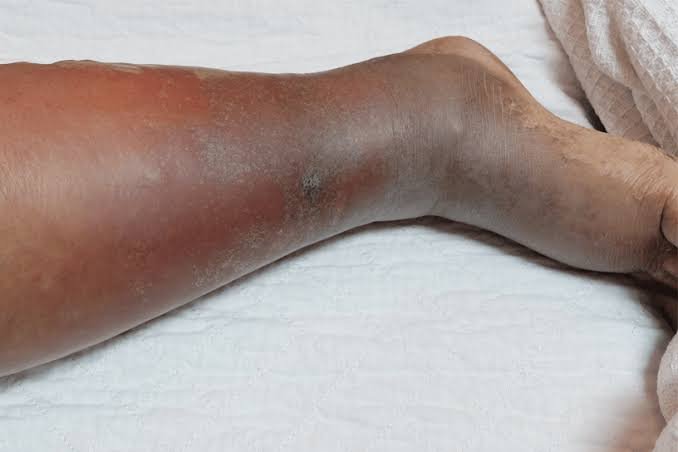
Cellulitis Treatment in Jaipur | SND Multispeciality Hospital
Cellulitis is a common bacterial infection of the deeper layers of the skin and the tissues underneath. It can cause redness, swelling, warmth, tenderness and pain in the affected area. Without timely treatment, the infection can sometimes spread rapidly and lead to serious complications.
At SND Multispeciality Hospital, Sarna Dungar, Benar Road, Jaipur, patients can receive evaluation, diagnosis and appropriate treatment for cellulitis. Our medical team focuses on identifying the cause and severity of infection and providing treatment according to the patient’s clinical condition.
What Is Cellulitis?
Cellulitis is an acute bacterial infection involving the dermis and subcutaneous tissues. It commonly occurs when bacteria enter through a break in the skin such as a cut, wound, insect bite, ulcer, cracked skin or fungal infection between the toes.
Cellulitis can affect different parts of the body, but the legs and feet are common sites.
It is important to understand that cellulitis is not the same as simple skin irritation or allergy. Progressive redness, warmth, swelling and pain should be medically evaluated.
Common Symptoms of Cellulitis
Symptoms may develop over a short period and can include:
- Red or pink discoloration of the skin
- Swelling of the affected area
- Skin that feels warm to touch
- Pain or tenderness
- Tight or stretched feeling of the skin
- Fever or chills
- Malaise or weakness
- Enlarged or tender lymph nodes
- Rapidly increasing area of redness
In some patients, especially those with diabetes or reduced immunity, infection can become more serious and may require hospital-based treatment.
What Causes Cellulitis?
Cellulitis usually occurs when bacteria enter the body through a damaged area of skin.
Common entry points include:
- Cuts and abrasions
- Foot ulcers
- Surgical wounds
- Insect bites
- Cracked skin
- Skin ulcers
- Burns
- Fungal infection between the toes
- Chronic swelling or lymphedema
- Skin conditions that cause breaks in the skin
The most common organisms include Streptococcus species and Staphylococcus aureus, although the causative organisms can vary depending on the clinical situation.
Who Is at Higher Risk of Cellulitis?
Some conditions increase the risk of developing cellulitis, including:
Diabetes
People with diabetes may have impaired immunity, reduced sensation or foot problems that increase the risk of skin infection.
Chronic Leg Swelling
Lymphedema and chronic edema can increase susceptibility to recurrent cellulitis.
Obesity
Obesity may be associated with increased risk of skin infections and chronic edema.
Skin Fungal Infection
Fungal infections, particularly between the toes, can create breaks in the skin through which bacteria can enter.
Previous Cellulitis
Patients who have previously experienced cellulitis may be at increased risk of recurrence.
Skin Injury
Cuts, wounds, ulcers and other breaks in the skin can provide an entry point for bacteria.
Cellulitis of the Foot and Leg
Cellulitis of the foot and lower leg is particularly common. Patients may notice increasing redness, swelling, warmth and pain.
A foot infection requires particular attention in people with diabetes because an apparently small wound can progress to a deeper infection.
If there is a diabetic foot ulcer, necrosis, abscess, severe swelling or systemic symptoms, prompt medical assessment is important.
How Is Cellulitis Diagnosed?
Cellulitis is primarily diagnosed clinically.
During evaluation, the doctor may assess:
- Location and size of redness
- Temperature of the skin
- Tenderness and swelling
- Presence of wounds or ulcers
- Pus or abscess formation
- Fever and other systemic symptoms
- Peripheral circulation
- Neurological status, especially in diabetic patients
Depending on the presentation, investigations may include:
- CBC
- CRP
- Blood glucose
- HbA1c when appropriate
- Kidney function tests
- Blood cultures in selected patients with systemic illness
- Wound/pus culture when clinically indicated
- Ultrasound when an abscess or deeper collection is suspected
Imaging is not required for every uncomplicated case but may be considered when a deeper infection or other diagnosis is suspected.
Cellulitis Treatment in Jaipur
Treatment depends on the severity of infection, affected site, underlying diseases and presence or absence of complications.
1. Antibiotic Treatment
Bacterial cellulitis generally requires appropriate antibiotic therapy.
The choice of antibiotic depends on factors such as:
- Severity of infection
- Likely organisms
- Allergy history
- Previous antibiotic exposure
- Local resistance patterns
- Presence of abscess or wound
- Kidney and liver function
- Comorbidities
Mild cases may be managed with oral antibiotics, while more severe infections may require intravenous antibiotics and hospital observation.
Antibiotics should be prescribed by a qualified doctor after clinical assessment.
2. Pain and Fever Management
Appropriate analgesic and antipyretic treatment may be used for pain, discomfort and fever.
3. Wound Care
If cellulitis is associated with an ulcer or wound, appropriate wound cleaning, dressing and management of the underlying cause are important.
4. Abscess Management
If an abscess is present, antibiotics alone may not be sufficient. Incision and drainage may be required depending on the clinical findings.
5. Diabetes Management
Good glycemic control is particularly important in patients with diabetic foot infection or recurrent skin infections.
6. Limb Elevation
For cellulitis involving the leg, elevation of the affected limb may help reduce swelling when appropriate.
When Does Cellulitis Require Hospitalization?
Hospital-based treatment may be considered when there is:
- Rapidly spreading infection
- High fever or systemic illness
- Hypotension or signs of sepsis
- Severe pain
- Significant swelling
- Extensive cellulitis
- Failure of appropriate oral treatment
- Immunosuppression
- Serious comorbidities
- Deep or complicated infection
- Diabetic foot infection requiring close monitoring
Cellulitis and Sepsis
Cellulitis can occasionally progress to a severe systemic infection.
Seek urgent medical attention if a patient with suspected cellulitis develops:
- High fever
- Chills or rigors
- Confusion
- Fast breathing
- Low blood pressure
- Severe weakness
- Rapidly spreading redness
- Severe or disproportionate pain
- Reduced urine output
These symptoms can indicate a serious infection and require urgent evaluation.
Cellulitis vs Abscess
Cellulitis and abscess are different conditions.
Cellulitis mainly causes diffuse inflammation and infection of the skin and subcutaneous tissues.
Abscess is a localized collection of pus.
A patient can have both cellulitis and an abscess. When an abscess is present, drainage may be an important part of treatment.
How Can Cellulitis Be Prevented?
Some preventive measures can reduce the risk:
- Keep wounds clean and covered.
- Treat fungal infections of the feet.
- Avoid walking barefoot if there is a high risk of foot injury.
- Check the feet regularly if you have diabetes.
- Keep the skin moisturized to prevent cracking.
- Manage diabetes effectively.
- Treat chronic leg swelling where possible.
- Seek medical advice for infected wounds.
Why Choose SND Multispeciality Hospital for Cellulitis Treatment?
SND Multispeciality Hospital, Jaipur provides medical evaluation and treatment for skin and soft-tissue infections.
Our hospital provides access to facilities that can support the evaluation and management of patients when clinically required, including:
- 24×7 Emergency Services
- Laboratory investigations
- Pharmacy
- Inpatient care
- ICU facility for critically ill patients
- Medical evaluation and monitoring
- Wound and infection management
Patients with severe infection, diabetic foot problems or systemic symptoms can be evaluated promptly to determine the appropriate level of care.
Frequently Asked Questions About Cellulitis
Is cellulitis contagious?
No. Cellulitis itself is generally not considered contagious because it is an infection of deeper skin tissues rather than an infection that normally spreads through casual person-to-person contact.
Can cellulitis heal without antibiotics?
Some mild inflammatory skin conditions can resemble cellulitis, but confirmed bacterial cellulitis generally requires appropriate antibiotic treatment. Medical evaluation is important rather than waiting for it to resolve on its own.
How long does cellulitis take to improve?
The response varies according to the severity, organism, treatment and patient’s health. Symptoms may take several days to improve even after appropriate treatment begins.
Can cellulitis come back?
Yes. Recurrent cellulitis can occur, particularly in patients with chronic edema, lymphedema, fungal foot infection, obesity, skin breaks or previous episodes of cellulitis.
Is cellulitis dangerous in diabetes?
It can be more complicated in people with diabetes, particularly when the infection involves the foot or an ulcer. Early assessment and appropriate treatment are important.
Can cellulitis cause sepsis?
Severe bacterial infections, including cellulitis, can sometimes lead to sepsis. Fever, confusion, hypotension, rapid breathing or rapidly worsening illness require urgent medical attention.
Consult SND Multispeciality Hospital for Cellulitis
If you have redness, swelling, warmth, pain, fever or a rapidly worsening skin infection, do not ignore the symptoms.
For evaluation and treatment of cellulitis, diabetic foot infection and other skin and soft-tissue infections, consult the medical team at SND Multispeciality Hospital, Sarna Dungar, Benar Road, Jaipur, Rajasthan.
Cellulitis is a common bacterial infection of the deeper layers of the skin and the tissues underneath. It can cause redness, swelling, warmth, tenderness and pain in the affected area. Without timely treatment, the infection can sometimes spread rapidly and lead to serious complications.
At SND Multispeciality Hospital, Sarna Dungar, Benar Road, Jaipur, patients can receive evaluation, diagnosis and appropriate treatment for cellulitis. Our medical team focuses on identifying the cause and severity of infection and providing treatment according to the patient’s clinical condition.
What Is Cellulitis?
Cellulitis is an acute bacterial infection involving the dermis and subcutaneous tissues. It commonly occurs when bacteria enter through a break in the skin such as a cut, wound, insect bite, ulcer, cracked skin or fungal infection between the toes.
Cellulitis can affect different parts of the body, but the legs and feet are common sites.
It is important to understand that cellulitis is not the same as simple skin irritation or allergy. Progressive redness, warmth, swelling and pain should be medically evaluated.
Common Symptoms of Cellulitis
Symptoms may develop over a short period and can include:
- Red or pink discoloration of the skin
- Swelling of the affected area
- Skin that feels warm to touch
- Pain or tenderness
- Tight or stretched feeling of the skin
- Fever or chills
- Malaise or weakness
- Enlarged or tender lymph nodes
- Rapidly increasing area of redness
In some patients, especially those with diabetes or reduced immunity, infection can become more serious and may require hospital-based treatment.
What Causes Cellulitis?
Cellulitis usually occurs when bacteria enter the body through a damaged area of skin.
Common entry points include:
- Cuts and abrasions
- Foot ulcers
- Surgical wounds
- Insect bites
- Cracked skin
- Skin ulcers
- Burns
- Fungal infection between the toes
- Chronic swelling or lymphedema
- Skin conditions that cause breaks in the skin
The most common organisms include Streptococcus species and Staphylococcus aureus, although the causative organisms can vary depending on the clinical situation.
Who Is at Higher Risk of Cellulitis?
Some conditions increase the risk of developing cellulitis, including:
Diabetes
People with diabetes may have impaired immunity, reduced sensation or foot problems that increase the risk of skin infection.
Chronic Leg Swelling
Lymphedema and chronic edema can increase susceptibility to recurrent cellulitis.
Obesity
Obesity may be associated with increased risk of skin infections and chronic edema.
Skin Fungal Infection
Fungal infections, particularly between the toes, can create breaks in the skin through which bacteria can enter.
Previous Cellulitis
Patients who have previously experienced cellulitis may be at increased risk of recurrence.
Skin Injury
Cuts, wounds, ulcers and other breaks in the skin can provide an entry point for bacteria.
Cellulitis of the Foot and Leg
Cellulitis of the foot and lower leg is particularly common. Patients may notice increasing redness, swelling, warmth and pain.
A foot infection requires particular attention in people with diabetes because an apparently small wound can progress to a deeper infection.
If there is a diabetic foot ulcer, necrosis, abscess, severe swelling or systemic symptoms, prompt medical assessment is important.
How Is Cellulitis Diagnosed?
Cellulitis is primarily diagnosed clinically.
During evaluation, the doctor may assess:
- Location and size of redness
- Temperature of the skin
- Tenderness and swelling
- Presence of wounds or ulcers
- Pus or abscess formation
- Fever and other systemic symptoms
- Peripheral circulation
- Neurological status, especially in diabetic patients
Depending on the presentation, investigations may include:
- CBC
- CRP
- Blood glucose
- HbA1c when appropriate
- Kidney function tests
- Blood cultures in selected patients with systemic illness
- Wound/pus culture when clinically indicated
- Ultrasound when an abscess or deeper collection is suspected
Imaging is not required for every uncomplicated case but may be considered when a deeper infection or other diagnosis is suspected.
Cellulitis Treatment in Jaipur
Treatment depends on the severity of infection, affected site, underlying diseases and presence or absence of complications.
1. Antibiotic Treatment
Bacterial cellulitis generally requires appropriate antibiotic therapy.
The choice of antibiotic depends on factors such as:
- Severity of infection
- Likely organisms
- Allergy history
- Previous antibiotic exposure
- Local resistance patterns
- Presence of abscess or wound
- Kidney and liver function
- Comorbidities
Mild cases may be managed with oral antibiotics, while more severe infections may require intravenous antibiotics and hospital observation.
Antibiotics should be prescribed by a qualified doctor after clinical assessment.
2. Pain and Fever Management
Appropriate analgesic and antipyretic treatment may be used for pain, discomfort and fever.
3. Wound Care
If cellulitis is associated with an ulcer or wound, appropriate wound cleaning, dressing and management of the underlying cause are important.
4. Abscess Management
If an abscess is present, antibiotics alone may not be sufficient. Incision and drainage may be required depending on the clinical findings.
5. Diabetes Management
Good glycemic control is particularly important in patients with diabetic foot infection or recurrent skin infections.
6. Limb Elevation
For cellulitis involving the leg, elevation of the affected limb may help reduce swelling when appropriate.
When Does Cellulitis Require Hospitalization?
Hospital-based treatment may be considered when there is:
- Rapidly spreading infection
- High fever or systemic illness
- Hypotension or signs of sepsis
- Severe pain
- Significant swelling
- Extensive cellulitis
- Failure of appropriate oral treatment
- Immunosuppression
- Serious comorbidities
- Deep or complicated infection
- Diabetic foot infection requiring close monitoring
Cellulitis and Sepsis
Cellulitis can occasionally progress to a severe systemic infection.
Seek urgent medical attention if a patient with suspected cellulitis develops:
- High fever
- Chills or rigors
- Confusion
- Fast breathing
- Low blood pressure
- Severe weakness
- Rapidly spreading redness
- Severe or disproportionate pain
- Reduced urine output
These symptoms can indicate a serious infection and require urgent evaluation.
Cellulitis vs Abscess
Cellulitis and abscess are different conditions.
Cellulitis mainly causes diffuse inflammation and infection of the skin and subcutaneous tissues.
Abscess is a localized collection of pus.
A patient can have both cellulitis and an abscess. When an abscess is present, drainage may be an important part of treatment.
How Can Cellulitis Be Prevented?
Some preventive measures can reduce the risk:
- Keep wounds clean and covered.
- Treat fungal infections of the feet.
- Avoid walking barefoot if there is a high risk of foot injury.
- Check the feet regularly if you have diabetes.
- Keep the skin moisturized to prevent cracking.
- Manage diabetes effectively.
- Treat chronic leg swelling where possible.
- Seek medical advice for infected wounds.
Why Choose SND Multispeciality Hospital for Cellulitis Treatment?
SND Multispeciality Hospital, Jaipur provides medical evaluation and treatment for skin and soft-tissue infections.
Our hospital provides access to facilities that can support the evaluation and management of patients when clinically required, including:
- 24×7 Emergency Services
- Laboratory investigations
- Pharmacy
- Inpatient care
- ICU facility for critically ill patients
- Medical evaluation and monitoring
- Wound and infection management
Patients with severe infection, diabetic foot problems or systemic symptoms can be evaluated promptly to determine the appropriate level of care.
Frequently Asked Questions About Cellulitis
Is cellulitis contagious?
No. Cellulitis itself is generally not considered contagious because it is an infection of deeper skin tissues rather than an infection that normally spreads through casual person-to-person contact.
Can cellulitis heal without antibiotics?
Some mild inflammatory skin conditions can resemble cellulitis, but confirmed bacterial cellulitis generally requires appropriate antibiotic treatment. Medical evaluation is important rather than waiting for it to resolve on its own.
How long does cellulitis take to improve?
The response varies according to the severity, organism, treatment and patient’s health. Symptoms may take several days to improve even after appropriate treatment begins.
Can cellulitis come back?
Yes. Recurrent cellulitis can occur, particularly in patients with chronic edema, lymphedema, fungal foot infection, obesity, skin breaks or previous episodes of cellulitis.
Is cellulitis dangerous in diabetes?
It can be more complicated in people with diabetes, particularly when the infection involves the foot or an ulcer. Early assessment and appropriate treatment are important.
Can cellulitis cause sepsis?
Severe bacterial infections, including cellulitis, can sometimes lead to sepsis. Fever, confusion, hypotension, rapid breathing or rapidly worsening illness require urgent medical attention.
Consult SND Multispeciality Hospital for Cellulitis
If you have redness, swelling, warmth, pain, fever or a rapidly worsening skin infection, do not ignore the symptoms.
For evaluation and treatment of cellulitis, diabetic foot infection and other skin and soft-tissue infections, consult the medical team at SND Multispeciality Hospital, Sarna Dungar, Benar Road, Jaipur, Rajasthan.
Share this post:
