
Fungal Infection Treatment in Jaipur | SND Multispeciality Hospital
Fungal infections are common skin conditions that can cause itching, redness, scaling, burning, rashes and discomfort. They may affect the skin, feet, groin, scalp, nails and other areas of the body. Warm weather, sweating, moisture, tight clothing, diabetes and reduced immunity can increase the risk of certain fungal infections.
At SND Multispeciality Hospital, Sarna Dungar, Benar Road, Jaipur, Rajasthan, patients with suspected fungal infections can receive medical evaluation, diagnosis and appropriate treatment according to the type, location and severity of infection.
What Is a Fungal Infection?
A fungal infection, also known as mycosis, occurs when certain fungi infect the skin or other tissues.
Superficial fungal infections are particularly common and may involve:
- Skin
- Groin
- Feet
- Scalp
- Nails
- Skin folds
Different fungal infections require different treatments, so correct diagnosis is important before starting medication.
Common Types of Fungal Infections
1. Ringworm – Tinea Corporis
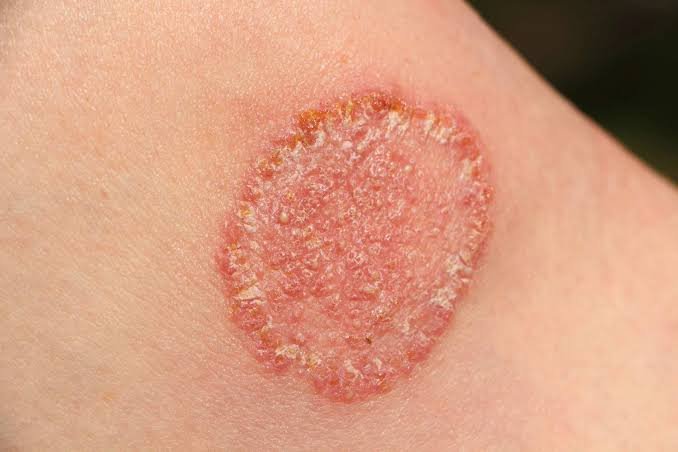
Tinea corporis is a fungal infection affecting the skin of the body. It commonly appears as an itchy, circular or ring-shaped rash with a scaly or raised border.
Despite its name, ringworm is caused by a fungus—not a worm.
2. Jock Itch – Tinea Cruris
Tinea cruris commonly affects the groin and inner thigh area. Patients may experience itching, redness, scaling and irritation.
Sweating, tight clothing and prolonged moisture can contribute to the condition.
3. Athlete’s Foot – Tinea Pedis
Tinea pedis commonly affects the feet, particularly the spaces between the toes.
Symptoms may include:
- Itching
- Peeling skin
- Scaling
- Cracks between toes
- Burning sensation
Cracked skin can also provide an entry point for bacterial infections such as cellulitis.
4. Fungal Nail Infection
Fungal nail infection, or onychomycosis, can cause:
- Thickened nails
- Yellow or discoloured nails
- Brittle nails
- Distorted nail shape
- Debris underneath the nail
Nail infections often require longer treatment than uncomplicated fungal skin infections.
5. Scalp Fungal Infection – Tinea Capitis
Tinea capitis primarily affects the scalp and is more common in children.
It can cause:
- Scaly patches
- Itching
- Broken hairs
- Patchy hair loss
- Inflammation
Medical treatment is important because scalp dermatophyte infections generally require systemic antifungal therapy rather than topical creams alone.
6. Candidiasis
Candida can affect moist areas and skin folds. It may cause redness, itching, soreness and irritation.
The appropriate treatment depends on the location and severity of infection.
Symptoms of Fungal Infection
Common symptoms include:
- Persistent itching
- Red or darkened rash
- Circular or ring-shaped lesions
- Scaling or peeling skin
- Burning sensation
- Cracked skin
- Rash in skin folds
- Changes in nails
- Scalp scaling or patchy hair loss
Not every itchy rash is fungal. Eczema, psoriasis, contact dermatitis and bacterial infections can sometimes resemble fungal infections.
Causes and Risk Factors
Several factors can increase the likelihood of developing a fungal infection:
Excessive Sweating
Warm and moist environments encourage the growth of many fungi.
Hot and Humid Weather
Fungal skin infections may occur more frequently in hot and humid conditions.
Tight or Non-Breathable Clothing
Clothing that traps sweat and moisture may increase the risk of infection, especially around the groin and skin folds.
Diabetes
People with diabetes may be more susceptible to certain infections, particularly when blood glucose is poorly controlled.
Reduced Immunity
Patients with weakened immune systems may develop more extensive or recurrent infections and should be evaluated appropriately.
Sharing Personal Items
Sharing towels, clothing, footwear or other contaminated personal items may contribute to the spread of some fungal infections.
Prolonged Moisture
Wet footwear, damp clothing and persistent moisture between skin folds can create favourable conditions for fungal growth.
How Does Fungal Infection Spread?
Certain fungal skin infections can spread through:
- Direct skin-to-skin contact
- Shared towels or clothing
- Contaminated surfaces
- Shared footwear
- Contact with infected animals
- Spread from one body area to another
Good personal hygiene and keeping affected areas dry can help reduce transmission and recurrence.
Diagnosis of Fungal Infection
Many fungal infections can be suspected from their clinical appearance, but testing may be required when the diagnosis is uncertain, recurrent or resistant to treatment.
Depending on the condition, evaluation may include:
- Clinical examination
- KOH examination of skin scrapings
- Fungal culture in selected cases
- Nail examination/testing
- Blood glucose testing when clinically indicated
- Additional investigations for recurrent or extensive disease
Correct diagnosis is especially important before prolonged oral antifungal treatment.
Fungal Infection Treatment in Jaipur
Treatment depends on the type of fungus, affected area, extent of infection, previous treatment and patient’s medical condition.
1. Topical Antifungal Treatment
Localized superficial fungal infections may be treated with appropriate antifungal creams, lotions, powders or other topical preparations.
The exact medicine and duration should be selected according to the diagnosis.
2. Oral Antifungal Treatment
Oral antifungal medicines may be considered for:
- Extensive fungal infection
- Recurrent infection
- Scalp fungal infection
- Certain nail infections
- Infection not responding to appropriate topical treatment
Oral antifungal medicines should be taken under medical supervision because they may have contraindications, drug interactions and potential adverse effects.
3. Control Itching and Irritation
Symptomatic treatment may sometimes be prescribed to reduce itching and discomfort while the underlying fungal infection is treated.
Avoid Steroid Combination Creams Without Medical Advice
Using steroid-containing combination creams without proper diagnosis can temporarily reduce redness and itching while allowing the fungal infection to persist or spread.
Steroid-modified fungal infection may become difficult to recognise and treat.
Patients with recurrent or worsening fungal rashes should seek medical evaluation instead of repeatedly using over-the-counter combination creams.
How to Prevent Fungal Infection
Simple measures can help reduce the risk of recurrence:
- Keep the skin clean and dry.
- Dry properly after bathing.
- Change sweaty clothes promptly.
- Wear breathable clothing.
- Avoid sharing towels, clothing and footwear.
- Keep the spaces between toes dry.
- Wash clothes and towels regularly.
- Avoid scratching affected areas.
- Complete the prescribed treatment course.
- Manage diabetes appropriately.
- Avoid self-medication with steroid-containing creams.
Recurrent Fungal Infection
If a fungal infection keeps returning, simply repeating the same cream may not solve the underlying problem.
Possible contributing factors include:
- Incomplete treatment
- Incorrect diagnosis
- Repeated exposure
- Excessive sweating
- Diabetes
- Use of steroid-containing creams
- Infection in another body area
- Household transmission
A medical evaluation can help identify contributing factors and determine an appropriate treatment strategy.
Fungal Infection in Patients With Diabetes
People with diabetes should pay particular attention to fungal infections involving the feet, toes and skin folds.
Cracks and breaks in the skin may increase the risk of secondary bacterial infection. Foot wounds, increasing redness, swelling, warmth, discharge or fever should be evaluated promptly.
When Should You Consult a Doctor?
Seek medical evaluation when:
- The rash is spreading rapidly.
- Itching is severe or persistent.
- The infection repeatedly returns.
- There is pus, swelling or significant pain.
- Nails or scalp are involved.
- You have diabetes.
- You have reduced immunity.
- Previous treatment has failed.
- You are unsure whether the rash is actually fungal.
Urgent assessment is appropriate if there is significant swelling, rapidly spreading redness, fever or other signs of a serious secondary infection.
Why Choose SND Multispeciality Hospital for Fungal Infection Treatment?
At SND Multispeciality Hospital, Jaipur, patients can receive clinical evaluation for fungal infections and other skin problems.
Available hospital services include:
- Medical consultation
- Laboratory investigations
- Pharmacy services
- Diabetes evaluation and management
- Skin and infection assessment
- 24×7 Emergency Services
- Inpatient care when clinically required
- ICU support for critically ill patients
Our aim is to identify the underlying condition and provide appropriate treatment rather than relying on repeated self-medication.
Frequently Asked Questions About Fungal Infection
Is fungal infection contagious?
Some fungal skin infections are contagious and can spread through direct contact or contaminated personal items and surfaces.
Is ringworm actually caused by a worm?
No. Ringworm is a fungal skin infection. The name comes from the characteristic ring-like appearance of some lesions.
Can fungal infection come back after treatment?
Yes. Recurrence may occur because of incomplete treatment, reinfection, persistent moisture, diabetes, steroid misuse or other contributing factors.
Can I use steroid cream for fungal infection?
Steroid-containing creams should not be used for a suspected fungal infection without appropriate medical advice. Steroids can alter the appearance of fungal infection and may allow it to become more extensive.
How long does fungal infection treatment take?
Treatment duration varies according to the site and type of infection. Simple skin infections may require treatment for weeks, while scalp and nail infections can require longer courses.
Does diabetes cause recurrent fungal infections?
Diabetes, particularly when glucose levels are poorly controlled, can increase susceptibility to certain infections. Recurrent infections may warrant assessment of blood glucose and other risk factors.
Consult SND Multispeciality Hospital for Fungal Infection Treatment in Jaipur
Persistent itching, ring-shaped rashes, scaling, recurrent groin infection, athlete’s foot, nail infection or scalp fungal infection should not be ignored.
For Fungal Infection Treatment in Jaipur, consult SND Multispeciality Hospital, Sarna Dungar, Benar Road, Jaipur, Rajasthan for appropriate evaluation, diagnosis and treatment.
Share this post:
