
Diabetic Foot Ulcer: Symptoms, Causes, Treatment & Prevention | SND Multispeciality Hospital
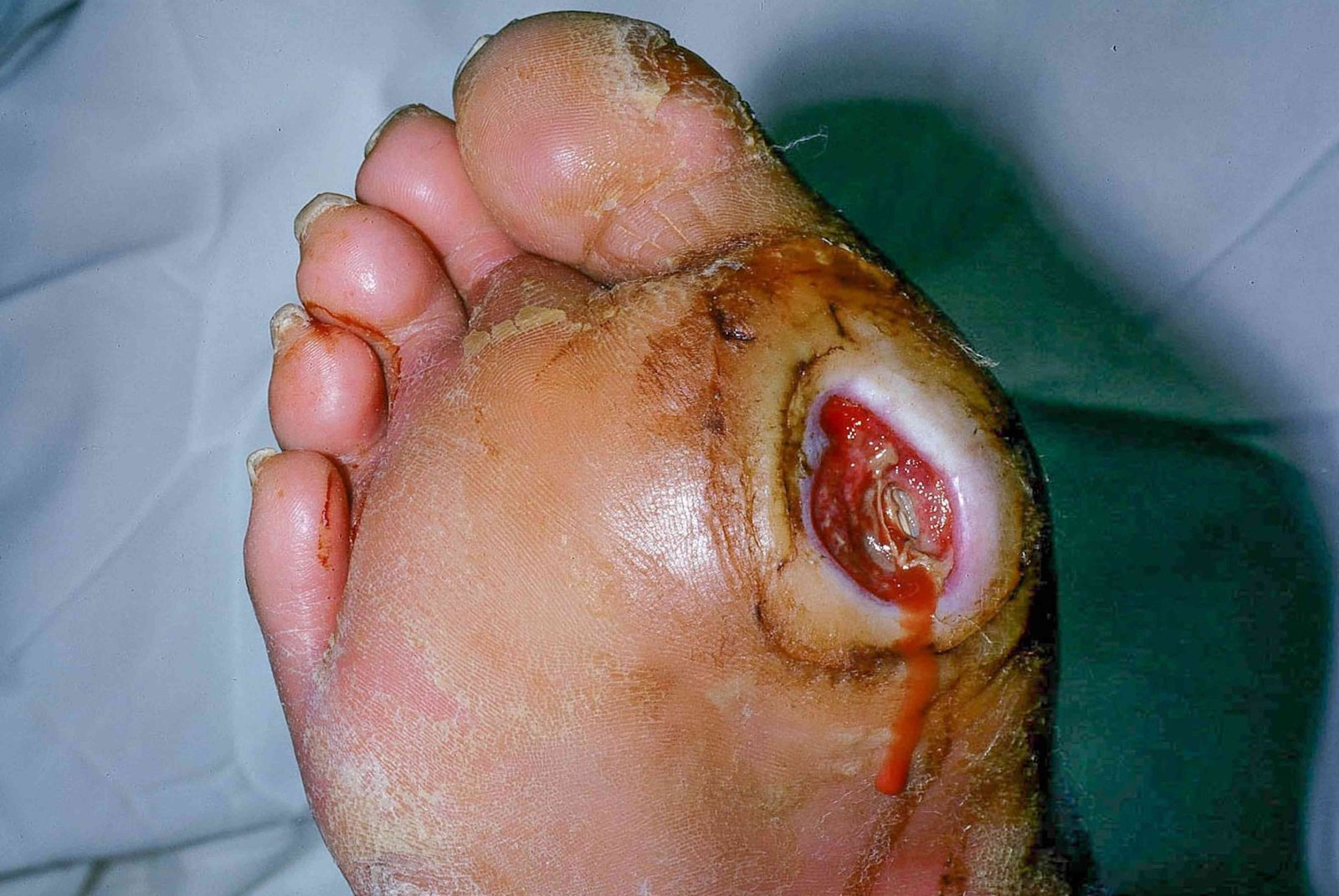
A diabetic foot ulcer is one of the most common and serious complications of diabetes. Poor blood sugar control can damage nerves and reduce blood flow to the feet, making even small cuts or blisters difficult to heal. Without timely treatment, a diabetic foot ulcer can lead to severe infection and, in some cases, amputation.
If you are looking for the Best Hospital in Jaipur for Diabetic Foot Ulcer Treatment, SND Multispeciality Hospital, Sarna Dungar, Jaipur, provides expert diagnosis, advanced wound care, diabetes management, and comprehensive treatment to help patients heal safely and prevent complications.
What is a Diabetic Foot Ulcer?
A diabetic foot ulcer is an open sore or wound that usually develops on the bottom or sides of the foot in people with diabetes. It commonly occurs due to diabetic neuropathy (nerve damage), poor circulation, repeated pressure, or unnoticed injuries.
Early diagnosis and proper treatment at SND Multispeciality Hospital can significantly improve healing and reduce the risk of infection.
Causes of Diabetic Foot Ulcers
Several factors contribute to diabetic foot ulcers.
Common Causes
- Poorly controlled diabetes
- Diabetic neuropathy (loss of sensation)
- Poor blood circulation (Peripheral Arterial Disease)
- Foot injuries or trauma
- Ill-fitting footwear
- Foot deformities
- Calluses and corns
- Smoking
- Previous foot ulcers or amputations
Symptoms of Diabetic Foot Ulcers
The symptoms may vary depending on the severity of the wound.
Common Symptoms
- Open wound or sore on the foot
- Redness or swelling
- Pain (may be absent due to nerve damage)
- Drainage or pus from the wound
- Foul smell
- Warmth around the ulcer
- Blackened skin (gangrene in severe cases)
- Difficulty walking
Seek immediate medical care if you notice any foot wound that does not heal within a few days.
Risk Factors
You are at higher risk if you have:
- Long-standing diabetes
- Poor blood sugar control
- Peripheral neuropathy
- Peripheral arterial disease
- Kidney disease
- Smoking habit
- Previous foot ulcers
- Foot deformities
- Vision problems leading to unnoticed injuries
Diagnosis of Diabetic Foot Ulcer
Early and accurate diagnosis is essential.
Your doctor may recommend:
- Physical examination of the foot
- Blood sugar (RBS/FBS/PPBS)
- HbA1c
- Complete Blood Count (CBC)
- Wound culture (if infection is suspected)
- X-ray of the foot
- Doppler study to assess blood flow (when indicated)
- MRI (if deep infection or bone involvement is suspected)
At SND Multispeciality Hospital, we use modern diagnostic facilities to evaluate the ulcer and create an individualized treatment plan.
Treatment of Diabetic Foot Ulcers
Treatment depends on the size, depth, infection, and blood supply to the affected foot.
Treatment Options
- Blood sugar control
- Regular wound cleaning and dressing
- Removal of dead tissue (debridement)
- Antibiotics for infected ulcers (when prescribed)
- Pressure off-loading using special footwear or devices
- Pain management
- Vascular evaluation and treatment if circulation is poor
- Hospital admission for severe infection
- Surgical management when required
Our experienced doctors focus on saving the limb whenever possible through early intervention and comprehensive care.
Home Care Tips
Patients should:
- Check their feet daily
- Keep the wound clean and dry as advised
- Avoid walking barefoot
- Wear comfortable diabetic footwear
- Follow the prescribed dressing schedule
- Take diabetes medicines regularly
- Maintain good blood sugar control
- Stop smoking
Complications of Untreated Diabetic Foot Ulcers
Without proper treatment, diabetic foot ulcers can lead to:
- Severe bacterial infection
- Cellulitis
- Bone infection (osteomyelitis)
- Gangrene
- Sepsis
- Amputation
- Long-term disability
Early treatment greatly reduces these risks.
Prevention Tips
Prevent diabetic foot ulcers by:
- Keeping blood sugar under control
- Inspecting your feet every day
- Washing and drying feet properly
- Moisturizing dry skin (avoid applying between the toes)
- Wearing well-fitting shoes
- Cutting toenails carefully
- Avoiding barefoot walking
- Visiting your doctor for regular foot examinations
When Should You Consult a Doctor?
Consult a doctor immediately if you notice:
- A foot wound that does not heal
- Redness or swelling
- Pus or foul-smelling discharge
- Fever with a foot infection
- Black discoloration of the skin
- Increasing pain or swelling
- Difficulty walking
Prompt medical care can prevent limb-threatening complications.
Why Choose SND Multispeciality Hospital?
If you are searching for the Best Hospital in Jaipur, Best Hospital in Jaipur for Diabetic Foot Ulcer Treatment, or a trusted Multispeciality Hospital in Jaipur, SND Multispeciality Hospital, Sarna Dungar, Jaipur offers:
- Experienced Doctors in Jaipur
- Expert diabetes management
- Advanced wound care and dressing
- Modern laboratory services
- Digital X-ray facilities
- Personalized treatment plans
- 24×7 Emergency Care
- Affordable and compassionate healthcare
Frequently Asked Questions (FAQs)
What causes diabetic foot ulcers?
Diabetic foot ulcers are commonly caused by nerve damage, poor blood circulation, high blood sugar levels, and unnoticed injuries.
Can diabetic foot ulcers heal completely?
Yes. Many diabetic foot ulcers heal with early diagnosis, proper wound care, good blood sugar control, and regular medical follow-up.
How can I prevent diabetic foot ulcers?
Maintain good blood sugar control, inspect your feet daily, wear proper footwear, avoid walking barefoot, and attend regular foot check-ups.
Are antibiotics always needed?
No. Antibiotics are used only when there is evidence of a bacterial infection and should be taken only as prescribed by a doctor.
Is surgery required for every diabetic foot ulcer?
No. Many ulcers can be managed without surgery. Surgical procedures are reserved for severe infections, dead tissue, or poor blood supply when indicated.
Conclusion
A diabetic foot ulcer is a serious complication of diabetes, but early diagnosis, expert wound care, and proper blood sugar control can prevent severe infection and amputation.
If you are looking for the Best Hospital in Jaipur for Diabetic Foot Ulcer Treatment, Experienced Doctors in Jaipur, or a trusted 24×7 Emergency Hospital in Jaipur, visit SND Multispeciality Hospital, Sarna Dungar, Jaipur. Our experienced team provides comprehensive diabetic foot care to help patients recover safely and maintain healthy feet.
Contact SND Multispeciality Hospital Today
Don’t ignore a foot wound if you have diabetes. Visit SND Multispeciality Hospital, Sarna Dungar, Jaipur, for expert diabetic foot evaluation, advanced wound care, diabetes management, and personalized treatment. Your feet deserve the best care.
Share this post:
